Beautiful Arabic Baby Names: Meanings, Origins & Inspiration
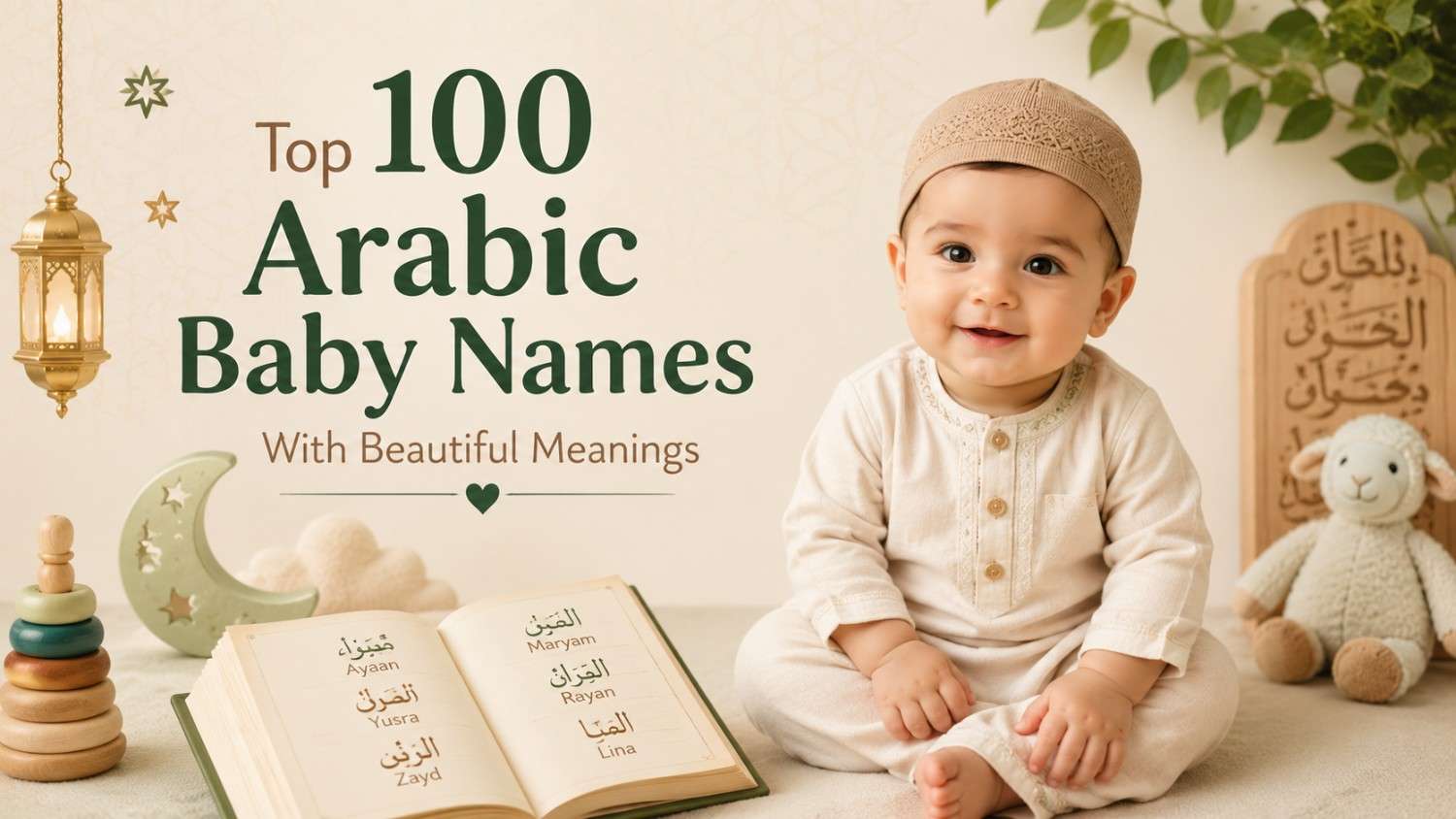
Arabic Baby Names With Beautiful Meanings

Baby names trend the same way songs and slang do a Quranic reference, a celebrity announcement, or a viral social media moment, and suddenly a name is everywhere. Across the Arab world and Arabic speaking diaspora communities, naming patterns blend religious tradition, tribal heritage, and modern global influence into some genuinely beautiful choices.
The most popular and beautiful Arabic baby names right now include Muhammad, Yusuf, Omar, and Adam for boys, and Fatima, Aisha, Noor, and Amira for girls names that consistently top birth registration data across Arabic speaking and Muslim majority countries. Beyond the classics, shorter, cross-culturally easy names like Zayn, Layla, Rayan, and Yara have surged worldwide thanks to social media and celebrity naming choices.
Below is a curated list of 100 Arabic baby names generating the most interest, along with their meanings, origins, and why each one resonates with parents today.
What Makes an Arabic Baby Name "Beautiful"?
A name earns its "beautiful" reputation for one of three reasons: it carries deep meaning tied to virtue or nature, it has Quranic or prophetic significance, or it simply sounds elegant across languages. Some names on this list like Muhammad and Fatima are beautiful in the traditional sense: rooted in faith and used for generations. Others, like Noor or Rayan, are beautiful in a more universal sense: short, melodic, and easy to pronounce whether you're in Cairo, or California.
Top 100 Arabic Baby Names and Meanings
Girls' Names :

Fatima: Arabic origin, meaning "captivating one." One of the most enduring names in the Muslim world, carried by the daughter of the Prophet Muhammad, and still a top choice across generations.
Aisha: Arabic origin, meaning "alive" or "prosperous." A name with deep historical roots that remains consistently popular from North Africa to South Asia.
Noor: Arabic origin, meaning "light." Its short, soft sound has made it one of the fastest-crossing-over Arabic names into Western baby name charts.
Amira: Arabic origin, meaning "princess" or "leader." Popular for its regal meaning and smooth pronunciation in multiple languages.
Zainab: Arabic origin, meaning "fragrant flower." A name with strong religious and cultural weight, especially across the Gulf and Levant.
Layla: Arabic origin, meaning "night" or "dark beauty." Boosted globally by poetry, music, and pop culture references for decades.
Yasmin: Arabic origin, meaning "jasmine flower." Part of the same nature-name wave driving flower names worldwide.
Maryam: Arabic origin, meaning "beloved," the Arabic form of Mary. Shared across Islamic and Christian traditions, giving it rare cross-faith appeal.
Sara: Arabic/Hebrew origin, meaning "princess" or "noblewoman." A name that works seamlessly across Arabic and Western contexts.
Huda: Arabic origin, meaning "guidance." A quietly rising name valued for its spiritual meaning.
Rania: Arabic origin, meaning "queen" or "gazing." Given extra visibility by prominent public figures carrying the name.
Salma: Arabic origin, meaning "peaceful" or "safe." A soft, calming name with steady popularity.
Farah: Arabic origin, meaning "joy." A short, upbeat name gaining traction internationally.
Hana: Arabic origin, meaning "bliss" or "happiness." Popular partly because it reads naturally in English, Arabic, and Japanese alike.
Iman: Arabic origin, meaning "faith." A name that doubles as a value parents hope to instill.
Jana: Arabic origin, meaning "heaven" or "paradise." Rising fast for its light, airy sound.
Lina: Arabic origin, meaning "tender" or "delicate." A minimalist-style name trending alongside short, vowel-heavy names.
Nadia: Arabic origin, meaning "hope" or "calling." Long popular across Arabic, Slavic, and Western naming traditions simultaneously.
Sana: Arabic origin, meaning "brilliance" or "splendor." A name on the rise for its clean, modern sound.
Tasnim: Arabic origin, meaning "a spring in paradise," referenced in the Quran. Popular among families choosing names with direct religious meaning.
Yara: Arabic origin, meaning "close friend." One of the most searched Arabic girls' names globally in recent years.
Zahra: Arabic origin, meaning "radiant, blooming flower." A historically significant name that remains a staple across generations.
Amal: Arabic origin, meaning "hope." Gained international visibility through prominent public figures with the name.
Basma: Arabic origin, meaning "smile." A cheerful, positive-meaning name growing in popularity.
Hiba: Arabic origin, meaning "gift." Chosen often by parents wanting a name that reflects gratitude.
Malak: Arabic origin, meaning "angel." A tender, protective-meaning name popular across the Gulf.
Rana: Arabic origin, meaning "beautiful sight." A classic that has stayed consistently in rotation.
Samira: Arabic origin, meaning "companion in conversation." Valued for its warm, social meaning.
Warda: Arabic origin, meaning "rose." Part of the enduring floral-name tradition in Arabic naming.
Aliyah: Arabic origin, meaning "exalted" or "noble." Popularized further by celebrity culture, boosting global recognition.
Batool: Arabic origin, meaning "pure" or "chaste." A traditional name with strong religious resonance.
Rawan: Arabic origin, meaning "tranquility." Rising in the Gulf region for its calm, modern feel.
Dalia: Arabic origin, meaning "vine branch" or "gentle." A nature-inspired name with soft appeal.
Karima: Arabic origin, meaning "generous, noble." A values-based name that remains a steady choice.
Jumana: Arabic origin, meaning "silver pearl." Chosen for its rare, elegant sound.
Kawthar: Arabic origin, meaning "abundance," referenced in the Quran. Popular among families prioritizing religious meaning.
Lubna: Arabic origin, meaning "warmth" or "closeness." A gentle, affectionate name.
Deema: Arabic origin, meaning "continuous soft rain." Trending for its poetic, nature-based meaning.
Widad: Arabic origin, meaning "love, affection." A heartfelt choice for parents wanting an emotion-based name.
Rima: Arabic origin, meaning "white antelope," symbolizing grace. A classic with quiet, steady popularity.
Omaima: Arabic origin, meaning "little mother." A warm, family-centered name.
Elham: Arabic origin, meaning "inspiration." Popular for its aspirational meaning.
Boys' Names :

Muhammad: Arabic origin, meaning "praiseworthy" or "one who is praised." Consistently the single most registered boys' name across the Muslim world and increasingly in Western countries too.
Yusuf: Arabic origin, meaning "God increases," the Arabic form of Joseph. A timeless Quranic name with universal recognition.
Omar: Arabic origin, meaning "flourishing, long-lived." Carried by a historically significant caliph, giving it lasting weight.
Adam: Arabic origin, meaning "man, made from earth." Shared across Islamic, Christian, and Jewish traditions, making it one of the most cross-cultural names on this list.
Ali: Arabic origin, meaning "noble, elevated." One of the most widely used names across the entire Muslim world.
Ibrahim: Arabic origin, meaning "father of many nations," the Arabic form of Abraham. A name of major religious significance across three faiths.
Hassan: Arabic origin, meaning "handsome, good." A classic name that has never fallen out of favor.
Hussein: Arabic origin, meaning "little handsome one." Historically significant and still widely chosen today.
Khalid: Arabic origin, meaning "eternal, immortal." Carried by a famous military commander, adding historical weight.
Zayn / Zain: Arabic origin, meaning "beauty, grace." One of the fastest-rising Arabic boys' names globally, boosted by pop culture visibility.
Tariq: Arabic origin, meaning "morning star." A strong, historically resonant name.
Bilal: Arabic origin, meaning "freshness, moisture of the heart." Carries deep early-Islamic history and remains widely used.
Hamza: Arabic origin, meaning "strong, steadfast." A name symbolizing strength, popular across generations.
Karim: Arabic origin, meaning "generous, noble." One of the "beautiful names" attributes, giving it religious depth.
Rashid: Arabic origin, meaning "rightly guided." A name associated with wisdom and leadership.
Faisal: Arabic origin, meaning "decisive." Carried by royal figures, boosting its prestige.
Nasser: Arabic origin, meaning "victorious helper." A name tied to leadership and strength.
Idris: Arabic origin, meaning "studious, interpreter." Gaining renewed popularity, partly boosted by public figures sharing the name.
Amir: Arabic origin, meaning "prince, commander." A short, strong name with global crossover appeal.
Malik: Arabic origin, meaning "king, sovereign." Popular both in Arabic-speaking countries and internationally.
Rayan: Arabic origin, referring to a gate of paradise in Islamic tradition. One of the most searched Arabic boys' names in recent years.
Jamal: Arabic origin, meaning "beauty, grace." A classic name that has remained steady for decades.
Rami: Arabic origin, meaning "archer, marksman." Short and easy to pronounce across languages.
Waleed: Arabic origin, meaning "newborn child." A traditional choice symbolizing new life.
Anas: Arabic origin, meaning "sociable, friendly companion." A warm, approachable name.
Ayman: Arabic origin, meaning "blessed, fortunate." Chosen for its positive, hopeful meaning.
Ismail: Arabic origin, meaning "God will hear," the Arabic form of Ishmael. Deep religious significance across Abrahamic traditions.
Yahya: Arabic origin, meaning "God is gracious," the Arabic form of John. A steady, traditional choice.
Musa: Arabic origin, meaning "drawn from water," the Arabic form of Moses. Shared across Islamic and Jewish traditions.
Suhail: Arabic origin, meaning "gentle, easygoing," also the name of a star. Valued for its poetic, celestial meaning.
Adil: Arabic origin, meaning "just, fair." A values-driven name popular among parents choosing virtue-based names.
Hadi: Arabic origin, meaning "guide." Reflects one of the attributes traditionally associated with God in Islamic naming culture.
Naeem: Arabic origin, meaning "comfort, blessing." A gentle name symbolizing ease and peace.
Qasim: Arabic origin, meaning "one who distributes." Historically significant as the name of the Prophet Muhammad's son.
Saad: Arabic origin, meaning "good fortune, happiness." A short, upbeat name with lasting popularity.
Sultan: Arabic origin, meaning "ruler, authority." A bold, powerful-sounding name gaining traction internationally.
Yazan: Arabic origin, meaning "strength, might." A modern-sounding name rising quickly across the Gulf.
Anwar: Arabic origin, meaning "lights, luminous." A name symbolizing brightness and clarity.
Why These Arabic Names Are Trending
Three forces are driving popularity in Arabic baby names right now:
- Religious and historical roots:
- Names like Muhammad, Fatima, and Ibrahim carry deep Quranic and prophetic significance, keeping them consistently at the top of birth registries across Muslim-majority countries.
- Global crossover appeal:
- Short, vowel-friendly names like Noor, Zayn, Yara, and Rayan are gaining ground outside Arabic-speaking countries because they're easy to pronounce in almost any language.
- Cultural visibility and social media:
- Public figures, athletes, and celebrities of Arab and Muslim heritage are putting names like Amira, Idris, and Hamdan in front of a global audience, accelerating their spread well before official statistics catch up.
FAQs About Trending Arabic Baby Names
Q1: What is the most popular Arabic baby name right now?
Muhammad remains the most widely registered boys' name across the Muslim world, while Fatima and Aisha are consistently among the most popular girls' names.
Q2: Why is Muhammad such a common name across so many countries?
Muhammad is used in honor of the Prophet Muhammad and is considered one of the most respected names in Islam, which is why it appears in various spellings as a top name across dozens of countries.
Q3: Are Arabic names only used by Muslim families?
No. Arabic is a language, not a religion names like Layla, Nadia, Rami, and Mona are used across Arab Christian, Jewish, and secular families as well.
Q4: What are the most unique trending Arabic baby names?
Names like Rayan, Yazan, Deema, and Nadin are considered rising or "viral" in the cultural sense heavily searched and increasingly chosen even though some haven't yet topped official name charts.
Q5: Where does official Arabic baby name popularity data come from?
Civil registry and birth registration authorities in individual Arabic-speaking countries, along with global baby-name tracking platforms, are the most authoritative sources for official name popularity rankings.
Conclusion
Whether you want a name backed by centuries of religious tradition or one riding a modern global wave, Arabic baby names in 2026 blend deep meaning with wide-reaching appeal. From timeless picks like Muhammad and Fatima to rising favorites like Rayan and Noor, there's a beautiful Arabic name for every family each one carrying a meaning worth passing on. Ready to find the one that fits yours? Try the Arabic name finder on FindNameAI.